Beaverlodge Bypass Debate Raises a More Immediate Question: What About Safety on Highway 43 Today?
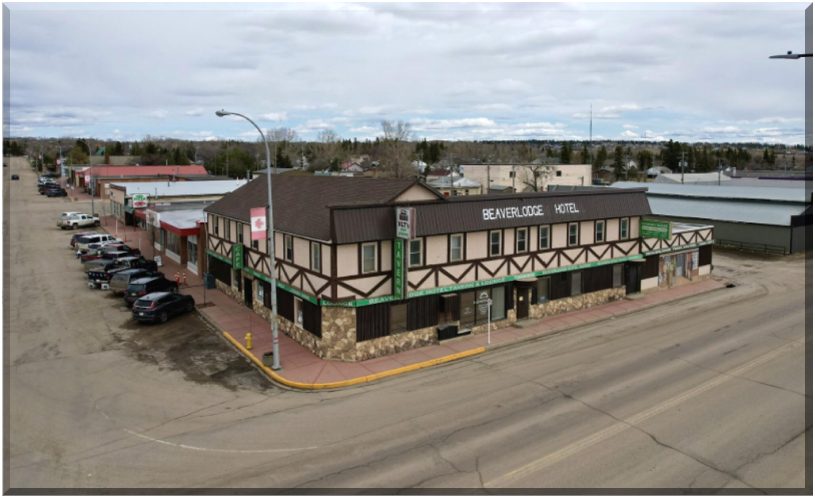
Residents responding to the long-running bypass debate are raising concerns about difficult highway crossings, heavy trucks, pedestrian safety and improvements that may not require waiting for a new road.
Back on top · first published Nov 15
The Bypass May Be Years Away. The Traffic Is Here Now.
For more than two decades, Beaverlodge has been part of discussions about a possible Highway 43 bypass.
But when residents were invited to discuss the long-running proposal, many responses focused less on where a future bypass might go and more on what happens when people try to drive or walk across the existing highway.
The comments reveal a broader transportation issue: even if a bypass is eventually approved and constructed, what happens in the meantime?
For some residents, that question is becoming more important than the bypass debate itself.
Turning Onto Highway 43 Is a Growing Frustration
One recurring concern is the difficulty of entering Highway 43 from Beaverlodge streets.
Residents describe increasing traffic, particularly heavy trucks, making left turns difficult during much of the day.
One commenter argued that the problem is no longer confined to morning and evening traffic periods.
Another suggested installing a traffic signal at 10th Street to create regular breaks in highway traffic.
The reasoning is straightforward: when highway vehicles are stopped at a signal, drivers entering from other intersections may have an opportunity to turn.
That proposal deserves consideration, although whether it would work depends on traffic volumes, intersection spacing, turning movements and the potential for vehicles to queue along the highway.
A traffic signal can improve access at one intersection while creating new challenges elsewhere.
The question is whether Alberta Transportation has recently studied the intersections through Beaverlodge and determined which improvements, if any, are warranted.
An Earlier Intersection Improvement Was Deferred
The Town of Beaverlodge's January 13, 2025 council agenda provides evidence that highway intersection concerns have been on the municipal agenda for years.
An outstanding item involving 10A Street and Highway 43, commonly identified as the Subway intersection, dates back to June 22, 2020.
The Town reported that the intersection had been surveyed and included in earlier capital planning, but the work was deferred because of higher-than-expected costs.
The document does not establish whether the project has since advanced or whether it would address the concerns residents are now raising about 10th Street.
However, it raises an additional question: if smaller intersection improvements have already been delayed, what would it take to move them forward?
And how much would such an improvement cost compared with a major bypass project?
The distinction between 10th Street and 10A Street is important. They are separate locations, and an improvement proposed for one intersection should not automatically be treated as a solution for the other.
Source: Town of Beaverlodge — January 13, 2025 Council Agenda
What About People Walking Across the Highway?
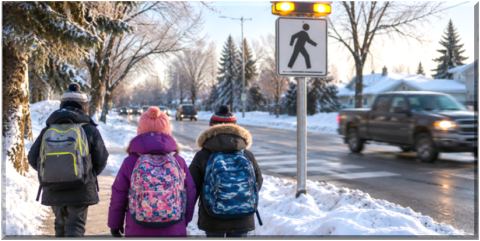
Perhaps the most serious concern raised in the discussion involves pedestrians.
A resident described people who work on the west side of the railway tracks and must cross the highway on foot, sometimes in winter conditions.
The commenter expressed concern that someone could eventually be seriously injured or killed.
That is a warning about a perceived danger, not evidence that a particular collision is inevitable.
Nevertheless, pedestrian safety deserves consideration independently of whether a bypass proceeds.
Highway 43 is not simply a transportation corridor passing through Beaverlodge. It also intersects with the daily activities of a community where people live, work, shop and travel.
The questions are practical.
Where are pedestrians expected to cross safely? Are existing crossings adequately marked and illuminated? How much time do pedestrians have to cross? Are there locations where highway speeds, truck traffic or limited visibility create additional concerns?
And has a formal pedestrian safety assessment been completed?
A bypass might eventually reduce through traffic, but it would not necessarily address every existing pedestrian concern.
Could a Traffic Light Be a Short-Term Answer?
The suggestion of a traffic signal at 10th Street raises an important distinction between a major highway project and smaller safety improvements.
A bypass could involve substantial planning, land acquisition, environmental review, engineering and construction.
A signalized intersection would generally be a much smaller undertaking, although it would still require engineering review, approval and funding.
A resident also suggested combining a signal with automated speed enforcement.
That idea would require separate consideration of Alberta's current automated enforcement rules, eligibility and approvals. It should not be assumed that a new speed camera could simply be installed or used to generate municipal revenue.
The larger question is whether an intersection improvement, pedestrian crossing, speed-management measure or combination of changes could provide measurable safety benefits.
It is possible that a traffic study would recommend a different solution altogether.
But without current traffic and safety information, residents have little basis for knowing which options are practical.
Not Everyone Wants More Land Used for a Bypass
Another resident questioned whether a completely new highway corridor is necessary.
The suggestion was to make better use of land between the existing Highway 43 alignment and the railway tracks rather than consume additional land.
That raises questions about right-of-way widths, railway setbacks, drainage, utilities, adjacent properties and engineering requirements.
Land that appears available may not necessarily be suitable for additional highway lanes.
Still, the concern reflects an important consideration in transportation planning: the cost of a project is not limited to construction.
Land acquisition, effects on agricultural property, changes to local access and long-term maintenance can all influence which option provides the greatest public benefit.
Has the province compared upgrading the existing corridor with constructing a bypass using current costs and traffic projections?
If so, residents should be able to examine the reasoning behind the preferred option.
Highway 43 West: The Concern Extends Beyond Beaverlodge
The discussion also turned to Highway 43 west of Beaverlodge.
Residents raised concerns about the number of heavy trucks travelling toward Hythe and the British Columbia border, particularly when winter weather, fog or poor visibility make driving more difficult.
One commenter called for progress on twinning the highway toward the provincial boundary.
Another pointed to difficulties turning left from the Valhalla-area highway connection.
These comments show that residents are not necessarily viewing the bypass as an isolated project.
They are describing a larger transportation corridor serving communities, commercial vehicles, agriculture, energy operations and travellers moving between Alberta and British Columbia.
The appropriate priorities may differ along that corridor.
Some locations may benefit from additional lanes. Others may need turning lanes, intersection changes, better pedestrian facilities or improved access management.
A complete corridor assessment could help explain where the greatest risks exist and which improvements should come first.
And What About Wembley?
The discussion also included a short but revealing question from another resident:
"Can Wembley get bypass?"
It raises a broader issue for communities along Highway 43.
How does Alberta decide which towns receive bypasses, intersection upgrades or other highway investments?
Traffic volumes, collision histories, commercial vehicle movements, congestion, projected growth and construction costs can all influence transportation priorities.
But residents also need to understand how those factors are weighed.
If Beaverlodge has been discussing a bypass for approximately 24 years, what determines whether the project advances?
And how are other communities along the same corridor evaluated?
Who Is Responsible for Improvements?
Highway 43 is a provincial highway, meaning major changes to the highway and its intersections generally require provincial involvement and approval.
The Town of Beaverlodge has an important role in identifying local concerns, representing residents and coordinating with Alberta Transportation.
However, a municipal council cannot simply install a traffic signal or redesign a provincial highway intersection without the necessary approvals.
That distinction matters.
Residents should know which government has authority to make a decision, which government would pay for an improvement and whether a particular proposal has already been assessed.
The deferred 10A Street improvement provides a concrete example of why these questions matter.
If a comparatively modest intersection project can remain unresolved for years because of costs, what funding arrangements are available to address safety concerns before a much larger highway project proceeds?
Publicly available traffic studies, collision information, cost estimates and engineering recommendations would help residents judge whether current conditions warrant action.
The Story Isn't Over
The original question was whether Beaverlodge's long-discussed bypass is finally moving closer to construction.
The public response has raised another set of questions that deserve answers now:
- When was the last comprehensive traffic and safety study conducted on Highway 43 through Beaverlodge?
- Have traffic volumes and heavy truck movements increased, and what do the actual counts show?
- Has Alberta Transportation evaluated a traffic signal at 10th Street or other intersection improvements?
- What is the current status of the 10A Street intersection project first requested in 2020 and subsequently deferred?
- Are pedestrian crossings near the railway tracks adequate for current traffic conditions?
- What do collision records show about the highway through town and the intersections west toward Hythe?
- Could existing highway right-of-way accommodate improvements without requiring a new bypass corridor?
- What is the current status of Highway 43 twinning toward the British Columbia border?
- What criteria determine whether Beaverlodge, Wembley or other communities receive bypass funding?
- Could smaller, targeted safety improvements be funded and completed while the bypass remains under consideration?
These are not arguments against building a bypass.
They are questions about what can be done while the larger project remains unresolved.
A bypass may eventually change how traffic moves around Beaverlodge. In the meantime, people still need to enter the highway, cross it on foot and travel safely between neighbouring communities.
The public discussion suggests that residents want more than another long-term promise.
They want to know what can be improved today.
Swan City Speaks: What Would Make Highway 43 Safer?
Should the priority be a Beaverlodge bypass, a traffic signal at 10th Street, safer pedestrian crossings, additional turning lanes or twinning Highway 43 farther west?
Have you experienced difficulty entering or crossing Highway 43 in Beaverlodge, Wembley, Hythe or nearby communities?
And if a bypass remains years away, what is the single most important improvement that should happen first?
Share your experience and tell your neighbours which improvement you believe should come first.
Related reading: Forgotten, Not Gone: Beaverlodge's Bypass Has Been Discussed for 24 Years
References
- Town of Beaverlodge — January 13, 2025 Council Agenda
- Town of Beaverlodge — Official Website
- Alberta Transportation and Economic Corridors
- Public comments responding to the original Beaverlodge bypass article, November 2026.
Editor's note: This follow-up is based on public comments responding to the earlier bypass article and a historical municipal council record. Commenters have not been identified. Their experiences and suggestions are presented as individual accounts, not independently verified findings. Reported traffic increases, safety concerns and proposed solutions have not been confirmed through current traffic counts, collision records or engineering assessments. The current status of the deferred 10A Street improvement also remains unconfirmed.