Grande Prairie Budget: More Money for Arts, Trees and Transit — But No Extra Snow Removal
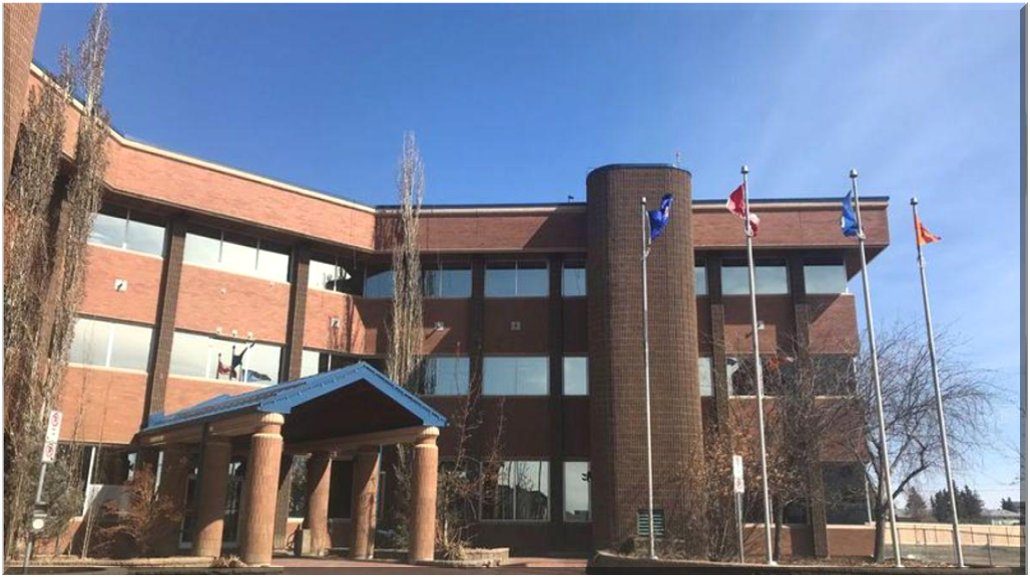
Grande Prairie residents are getting their first indication of how City Council intends to balance spending priorities, municipal services and property taxes in 2027.
Back on top · first published Nov 19
Council Begins Choosing Where the Money Goes
The first day of budget deliberations on Wednesday, November 18, brought decisions affecting public transit, cultural organizations, urban forestry, policing and snow removal.
Council began with a proposed operating budget of approximately $230.2 million and capital spending of $38.6 million.
The administration's starting proposal included a 2.8 per cent property tax increase.
But that figure remains subject to change as councillors add, reduce or remove spending.
Arts, Festivals and Trees Receive Additional Funding
Among the spending additions reported following Wednesday's deliberations were:
- $113,346 in additional operating funding for the Art Gallery of Grande Prairie, approved by a narrow 5–4 vote.
- $40,000 for the Grande North Winter Festival, following the expiry of $50,000 in Travel Alberta support.
- $96,000 to increase the City's arborist capacity, supporting maintenance of urban trees, parks and orchards.
Together, these three decisions represent $249,346 in additional proposed spending.
Each serves a different municipal purpose.
The art gallery provides cultural programming and public access to exhibitions. The winter festival contributes to community activities and tourism. Urban forestry funding supports the maintenance and long-term health of trees on public property.
The question for taxpayers is not simply whether these services have value, but how Council weighs their benefits against other requests competing for limited municipal resources.
Transit Expansion Gets Support
Council also supported expanding transit service to Trader Ridge and providing a connection serving the Countryside school area.
The proposed service would begin April 1, 2027.
However, published accounts differ on the associated cost.
EverythingGP reports approximately $212,000, while My Grande Prairie Now identifies approximately $281,500.
The difference has not been reconciled against the official Council record. It is not yet clear whether the figures reflect different cost components, accounting periods or separate motions.
The expansion could improve access for residents, students and workers in areas where transit connections are limited.
The eventual cost and expected ridership will be important measures of whether the expansion delivers value.
No Additional $350,000 for Cul-de-Sac Snow Removal
One proposal that did not receive support for the 2027 budget was an additional $350,000 for removing accumulated snow from cul-de-sacs.
The request was instead referred to 2028 budget discussions.
For residents living on cul-de-sacs, snow accumulation can affect parking, visibility and access during winter.
The decision means the additional service funding will not be included in the 2027 plan based on Wednesday's deliberations.
It does not mean existing snow removal services are being eliminated.
The distinction matters: Council declined an expansion of service rather than approving a reduction to the current program.
Police and Economic Development Budgets Reduced
Council also examined reductions in policing and economic development spending.
According to EverythingGP, the police budget will be more than $900,000 lower than the 2026 level.
That includes a previously proposed reduction of approximately $436,000 and a further $480,000 adjustment involving a five per cent vacancy provision for managed manpower.
Mayor Jackie Clayton indicated that removing the vacancy provision was not intended to discourage police recruitment, pointing to recruitment progress and staffing levels.
A lower budget allocation does not automatically mean fewer officers or reduced policing services. The practical effect will depend on staffing plans, operating requirements and the final approved budget.
Invest Grande Prairie also faces a reduction.
EverythingGP reports a $225,000 reduction, while another local report provides a different figure. The exact amount requires confirmation from the Council record.
Economic development spending can support business attraction, investment promotion and other initiatives intended to strengthen the local economy.
Whether the reduction affects specific programs, staffing or promotional activities remains an important unanswered question.
Could Parking at Bonnetts Energy Centre Cost $20?
Another idea under discussion could affect residents attending concerts, hockey games and other major events.
Council is considering paid parking in the east parking lot at Bonnetts Energy Centre during major events.
The proposed charge is $20 per vehicle, with accessible parking spaces excluded.
City administration estimates the measure could generate approximately $60,800 in 2027.
Council has requested further information, and the proposal has not been finally approved.
The discussion raises questions about the cost of attending community events, particularly for families already paying for admission, food and other expenses.
A separate idea involving paid downtown parking will not proceed.
Cedar Point Sale Could Affect City Finances
The proposed sale of Cedar Point also remains part of the budget discussion.
City administration has indicated that proceeds from a potential sale would first be used to address outstanding debt associated with the property.
Additional allocations discussed include $5.3 million for facility renewal through 2029, $1.9 million over four years for a multi-family housing rebate program and $1.9 million for future reserves.
The sale has not been completed, and the final financial outcome remains uncertain.
Any reliance on anticipated sale proceeds should be distinguished from money already received.
What Does This Mean for Property Taxes?
The proposed 2.8 per cent property tax increase was the starting point for deliberations, not the final decision.
Every spending addition, reduction and revenue proposal has the potential to influence the amount the City must collect.
However, the changes cannot simply be added and subtracted to calculate a revised tax increase. Some may involve different funding sources, partial-year costs or adjustments that do not directly affect the municipal tax requirement.
Residents will need the final budget figures before the full tax implications can be established.
The Story Isn't Over
Council's first day of deliberations has produced meaningful decisions, but several important questions remain.
- What will the final 2027 property tax increase be?
- What is the confirmed annual cost of the Trader Ridge transit expansion?
- How will the policing budget adjustment affect staffing and services?
- Which Invest Grande Prairie activities will be affected by its reduced funding?
- Will Council ultimately approve paid parking at Bonnetts Energy Centre?
- What happens to the City's financial plan if the proposed Cedar Point sale does not proceed?
- Will the additional cul-de-sac snow removal proposal return in 2028?
Budget deliberations continue November 19, with November 20 available if required.
The final decisions will determine not only how much Grande Prairie residents pay, but also which municipal services receive greater attention and which priorities must wait.
Sources: City of Grande Prairie — 2027 Budget Deliberations https://cityofgp.com/culture-community/news-events/event-calendar/city-grande-prairie-budget-deliberations
City of Grande Prairie — Official website and budget information https://cityofgp.com/
Reporting note: First-day motion amounts are based on published local reporting pending reconciliation against the official Council record.