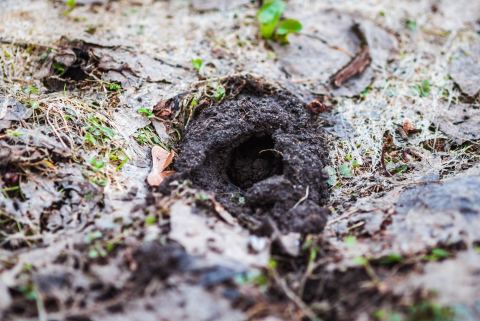
STUCK MY HEAD IN A LITTLE SKUNKS HOLE
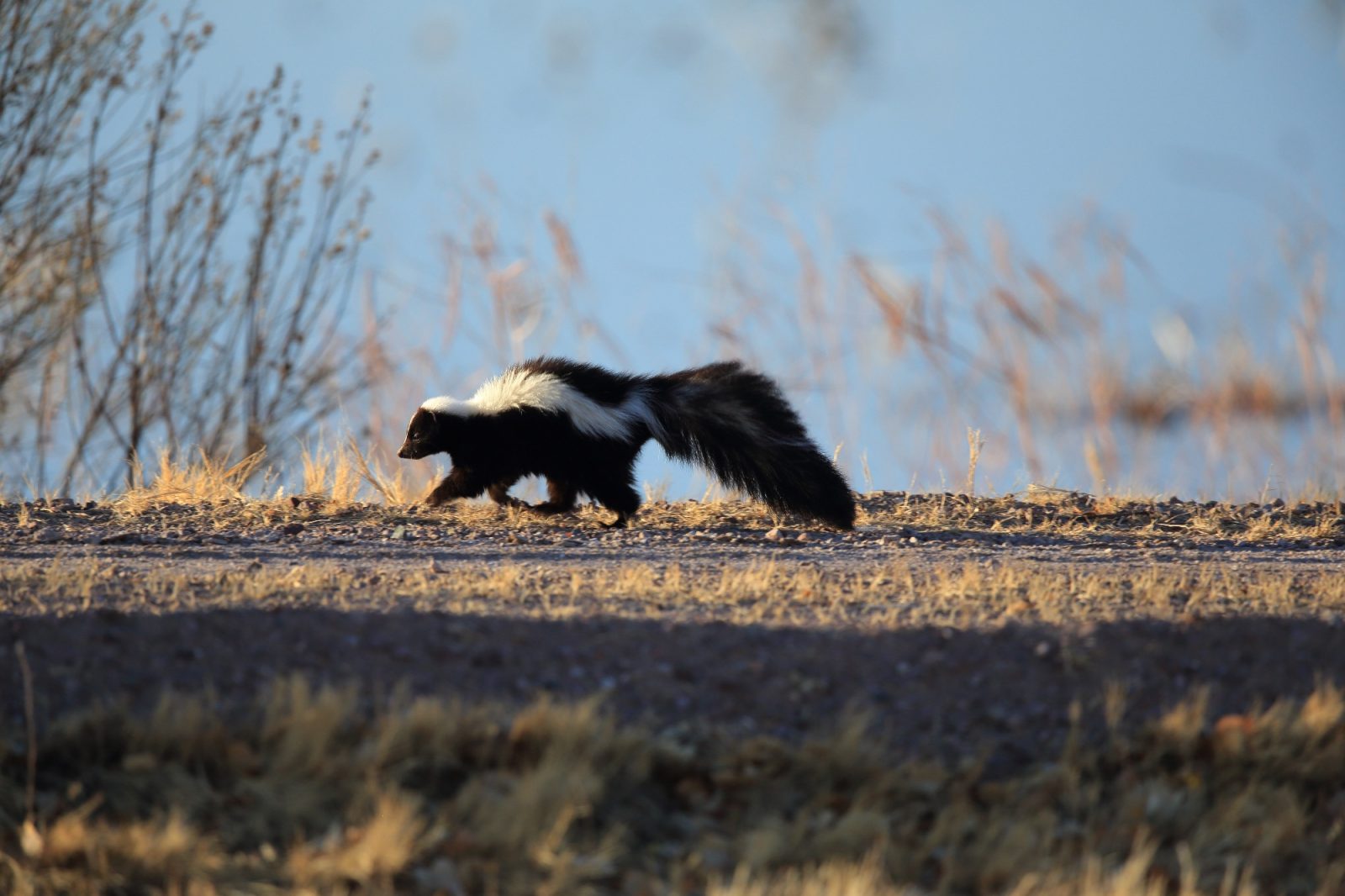
The other day, I was out for a perfectly ordinary walk when a small black-and-white resident of the neighbourhood stepped into view and instantly became the main character.
A skunk.
Not a raccoon pretending to be brave. Not a cat with unusual fashion sense. A real skunk, with that famous tail, that confident little waddle, and the general attitude of someone who knows they carry chemical consequences. I stopped. The skunk stopped. We looked at each other.
At that moment, I remembered two important things. One, skunks deserve space. Two, my late Dad had prepared me for this exact moment through song. When I saw that skunk, I was suddenly a child again, hearing my Dad sing one of those silly songs that somehow sticks in your head for life. Que some hilly-billy, spoon slapping music...It went like this.....
“I stuck my head in a little skunk’s hole,
and the little skunk said,
‘Oh bless my soul,
take it out, take it out, take it out, please remove it.’
Well.....I didn’t take it out,
and the little skunk said,
‘You’ll be sorry, you’ll wish you had,
take it out, take it out.
Pee-yoo, I removed it.”
There is truly no better childhood lesson in wildlife respect than a song about making a poor decision near a skunk hole. My Dad sang it with the kind of drama only parents and grandparents can manage. There was timing. There was suspense. There was the grand finale of “pee-yoo,” which, as a child, was absolute comedy gold.
Standing there on my walk, decades later, I smiled. Grief has funny little doors. Sometimes it arrives through a smell, a phrase, or a melody you did not know you still had tucked away. That skunk did not spray me, thankfully, but it did release a memory. And that was much nicer.
Skunks are not looking for trouble. For all their dramatic reputation, skunks are not villains. They are mostly quiet, shy animals that would rather avoid conflict. Their spray is not a casual greeting. It is a last-resort defence, saved for when they feel trapped, startled, or threatened.
Before a skunk sprays, it usually gives warnings. These can include:
Stomping its front feet
Raising its tail
Hissing or chattering
Turning its back end toward the threat
Doing a little warning dance that says, “Please make better choices”
That last one may not be the official wildlife term, but it should be.
Skunks eat insects, grubs, small rodents, berries, and other bits from nature’s buffet. In gardens and yards, they may dig small holes while hunting for grubs. This can be annoying, but they are also helping control pests. They are like tiny pest managers in evening wear. Their eyesight is not great, which may explain why they sometimes seem surprised to discover us standing nearby. Their sense of smell and hearing are much better. That is why a calm voice, slow movement, and plenty of distance are your best tools when you meet one.
My skunk encounter ended peacefully because I chose dignity over curiosity. I did not move closer. I did not attempt a wildlife selfie. I did not test the scientific limits of “how near is too near.” I simply paused, backed up slowly, and let the skunk go about its day.
If you meet a skunk, here is the sensible plan:
-
Stay calm.
-
No sudden moves. No shouting. No dramatic arm waving, even if your inner child is yelling “pee-yoo” already.
-
Back away slowly.
-
Give the skunk an easy exit. Skunks do not want to waste their spray. It takes time for them to reload, so they prefer not to use it unless they must.
-
Keep pets close.
-
Dogs are brave, curious, and not always gifted in the decision-making department. A leash can save everyone from a very smelly ride home.
-
Do not corner it.
-
A skunk under a porch, shed, or deck needs space to leave. Blocking its path is how the trouble starts.
-
Secure tempting snacks.
-
Garbage, compost, pet food, and fallen fruit can attract skunks. If you prefer your yard without striped visitors, remove the buffet.
Let us be honest. The spray is why skunks are famous. Skunk spray contains strong-smelling sulphur compounds called thiols. That is the same general family of compounds that gives rotten eggs their charm, if “charm” is the word we are using today.
A skunk can spray with surprising aim, and the smell can linger on fur, clothing, decks, and anything else unlucky enough to be in the blast zone. The old tomato juice remedy is well known, but it mostly masks the smell rather than removing it. Many people use a mixture made for skunk odour removal, especially for pets, but it is always wise to check safety directions first. The best remedy, of course, is prevention. Respect the tail. Respect the stomp. Respect the tiny animal with the built-in stink cannon.
After the skunk disappeared into the distance, I kept walking, but the song came with me. I could hear my Dad’s voice in my mind, playful and warm, stretching out the “pee-yoo” like it was the punchline to end all punchlines. It made me laugh, but it also made me miss him. That is how memory works. It does not always arrive in a grand, polished moment. Sometimes it shows up on a walking path wearing black and white fur.
I went out for a simple walk and came home with a smile, a nature lesson, and a reminder that the silly things our loved ones give us may become the things we treasure most. So if you see a skunk on your next walk, give it space. Admire it from a safe distance. Let it pass with dignity. And sing my childhood song.
And whatever you do, do not stick your head in a little skunk’s hole. My Dad already covered that lesson beautifully.