Purple Ribbons in Grande Prairie Carry a Warning: Abuse Doesn't Always Leave Bruises
November is Family Violence Prevention Month. Odyssey House is reminding Peace Country residents that abuse can involve fear, intimidation, isolation and financial control — even when nobody has been physically assaulted.
Back on top · first published Nov 4
What Do the Purple Ribbons Mean?
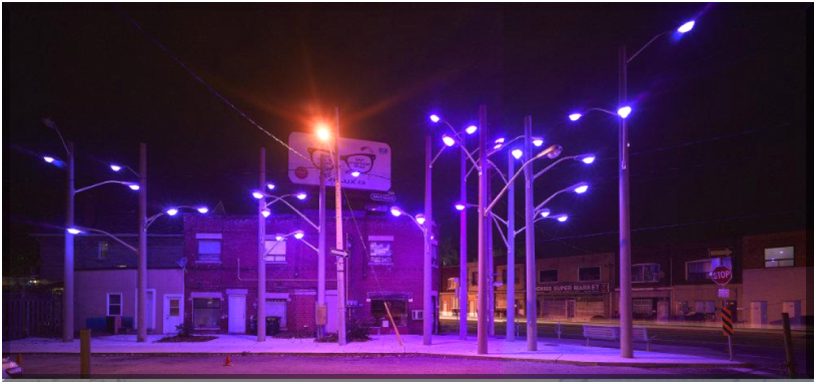
People walking through downtown Grande Prairie this November may notice purple ribbons tied to light poles.
They are part of Family Violence Prevention Month, an annual campaign intended to encourage conversations about domestic abuse, recognize warning signs and connect people with assistance.
Grande Prairie's Odyssey House is using the occasion to remind residents that family violence does not always involve physical injuries.
It can also include emotional abuse, sexual abuse, stalking, harassment, neglect and controlling behaviour.
That message deserves attention because some of the most damaging forms of abuse can remain almost invisible to friends, neighbours and even family members.
A person may appear happy and successful in public while living with fear and intimidation at home.
And sometimes, the person experiencing the abuse may not initially recognize what is happening.
Abuse Doesn't Always Begin With Violence
Imagine a relationship in which one partner gradually begins making decisions for the other.
At first, it may seem harmless.
One person handles the household finances.
They begin questioning why their partner spends time with certain friends.
They insist on knowing where their partner is going.
They become angry when telephone calls or text messages are not answered immediately.
Eventually, the other person may feel they need permission to visit family, spend money or make ordinary decisions.
No physical assault has necessarily occurred.
But the relationship may have become controlling and frightening.
The Government of Canada describes this pattern as coercive control.
Coercive control involves repeated behaviour intended to restrict another person's freedom, independence and sense of safety.
It can develop gradually, making it difficult to recognize.
The important distinction is between ordinary disagreements or mutually agreed responsibilities and a repeated pattern of intimidation, restriction and fear.
Emotional Abuse: When Words Become Weapons
Arguments happen in most relationships.
Disagreeing with a partner, expressing frustration or occasionally saying something hurtful does not automatically establish a pattern of abuse.
Emotional abuse is different.
It can involve repeated humiliation, threats, intimidation and behaviour designed to undermine another person's confidence or independence.
Examples include:
- Constantly telling someone they are worthless, stupid or incapable.
- Humiliating them in front of friends or family.
- Threatening to leave them without money or housing.
- Blaming them for everything that goes wrong.
- Threatening to harm children, pets or loved ones.
- Making them afraid to express an opinion.
- Using threats or intimidation to control their decisions.
Over time, a person subjected to these behaviours may begin doubting their own judgment.
They may become anxious about saying the wrong thing.
They may stop participating in activities they once enjoyed.
They may withdraw from friends and relatives.
And because there are no visible injuries, others may never realize something is wrong.
Financial Abuse: When Money Becomes a Means of Control
Financial abuse can be particularly difficult to recognize.
In many households, one partner manages the bills or handles most financial decisions.
That arrangement is not inherently abusive.
The concern arises when money is deliberately used to restrict, exploit or control another person.
Examples include:
- Preventing a partner from accessing bank accounts.
- Refusing to provide money for basic necessities.
- Preventing someone from working or attending school.
- Taking their wages or government benefits.
- Opening loans or credit accounts in their name without consent.
- Running up debts to make leaving more difficult.
- Threatening to withdraw financial support unless demands are met.
Financial abuse can create dependence.
Someone who wants to leave an unhealthy relationship may discover they have no savings, no access to credit and nowhere affordable to live.
That raises a question particularly relevant to Grande Prairie and the Peace Country.
How much more difficult does it become to escape an abusive relationship when housing, transportation, groceries and other necessities are expensive?
The connection between economic insecurity and barriers to leaving abuse deserves closer local investigation.
Isolation: Slowly Cutting Someone Off From Their World
Another warning sign is forced isolation.
A controlling partner or family member may discourage contact with friends, criticize relatives or create conflict whenever the person tries to spend time with others.
Over time, invitations are declined.
Friendships weaken.
Family visits become less frequent.
The person may eventually have very few people they feel comfortable asking for help.
Isolation can make someone more dependent on the person controlling them.
It can also make abuse harder for others to recognize.
A neighbour might notice that someone who once attended community events has stopped appearing.
A friend might notice that every telephone conversation seems to be monitored.
These changes do not automatically prove abuse.
But they may be reasons to check in privately and offer support.
Digital Abuse: The Phone Can Become a Tool of Control
Technology has created new ways to monitor and intimidate people.
Digital abuse can include:
- Demanding access to passwords and private messages.
- Monitoring telephone calls or social media accounts.
- Using location-sharing applications without meaningful consent.
- Tracking someone's movements through connected devices.
- Sending repeated threatening messages.
- Sharing private information or intimate images without permission.
- Using smart-home technology to monitor or control another person.
Some couples voluntarily share passwords or locations.
The issue is not technology itself.
It is whether someone is being threatened, pressured, monitored without consent or prevented from making independent choices.
Digital monitoring can also create serious safety concerns for people considering leaving an abusive relationship.
Harassment and Stalking Can Continue After a Relationship Ends
Leaving a relationship does not necessarily end controlling behaviour.
An abusive former partner may continue unwanted contact, appear repeatedly at someone's workplace or home, monitor online activity or contact friends and relatives to obtain information.
These behaviours can cause considerable fear even without a physical confrontation.
They can also escalate.
Anyone experiencing threatening behaviour should consider speaking with police or a family violence support service about safety planning and available legal protections.
Children Can Be Affected Without Being Physically Assaulted
Family violence can affect children who witness or live around abusive behaviour.
A child may hear threats, witness intimidation or become frightened by conflict between adults.
Some children become unusually quiet or withdrawn.
Others may struggle at school, become aggressive or attempt to protect a parent or younger sibling.
Children can also be used as instruments of control when one adult threatens to remove them from the other parent's care.
These situations can affect a child's sense of security and well-being.
Recognizing family violence therefore involves looking beyond injuries to the broader environment in which children are living.
Why Doesn't Someone Just Leave?
This is a question often asked by people who have never experienced a controlling relationship.
The answer can be complicated.
A person may be afraid of retaliation.
They may have children to protect.
They may lack money, transportation or somewhere safe to stay.
They may be concerned about pets, employment or immigration status.
They may still care about the person harming them or hope the behaviour will change.
They may also be isolated from friends and family.
For some, leaving can increase immediate safety risks, which is why professional safety planning can be important.
Instead of asking why someone hasn't left, perhaps a better question is what support they would need to become safe.
Family Violence Can Affect Anyone
Abuse is not limited to one income group, neighbourhood, culture or age.
It can occur in married relationships, common-law relationships, dating relationships and other family or dependent relationships.
Women experience significant levels of intimate partner violence, but men and people of all gender identities can also experience abuse.
Children, seniors and adults who depend on others for care may face particular vulnerabilities.
Recognizing these different experiences is important if prevention and support programs are to reach everyone who needs them.
What Is Grande Prairie Doing About It?
Odyssey House is one of the organizations providing support to people affected by family violence in the Grande Prairie area.
Its services include crisis assistance, community support, counselling-related referrals, safety planning and help navigating legal and financial challenges.
Support is not necessarily limited to people who have stayed in a shelter.
Odyssey House also offers community-based services for people who have left unhealthy relationships or are still experiencing them.
In 2025, Odyssey House was involved in launching Hope Grande Prairie, an initiative intended to improve coordination among local organizations responding to domestic abuse and related community needs.
The initiative brought together nearly 50 organizations and introduced a collaborative approach to helping people access support.
That raises important follow-up questions.
How effective has the initiative been?
Are people getting assistance more quickly?
Are shelters and community programs keeping up with demand?
And what additional support is needed for people facing emotional or financial abuse rather than physical violence?
These are questions Swan City Now intends to pursue.
What Can Neighbours Do?
Sometimes the first person to notice a problem is a friend, neighbour, co-worker or family member.
If someone seems frightened, isolated or unusually controlled by another person, it may be appropriate to check on their well-being.
Experts generally recommend listening without judgment, respecting the person's choices and avoiding confrontation with the suspected abuser.
A simple private conversation can be more helpful than demanding an explanation.
People experiencing abuse may need time, information and practical assistance before they are ready to make changes.
If there is immediate danger, call 911.
For non-emergency concerns, trained support workers can help people explore options and develop safety plans.
Where to Find Help in Grande Prairie
Odyssey House
24-hour crisis line: 780-532-2672
Office: 780-538-1332
Website: https://www.odysseyhouse.ca
Alberta Family Violence Information Line
Call or text: 310-1818
Available 24 hours a day.
211 Alberta
Call or text 211 for confidential assistance connecting with community services.
Support is available around the clock in more than 170 languages.
Provincial Abuse Helpline
1-855-443-5722
Available 24 hours a day.
Immediate danger
Call 911.
If someone suspects their phone or internet activity is being monitored, they should consider using a safe device or contacting a support organization for guidance.
The Story Isn't Over
The purple ribbons will eventually come down.
But the problems they represent will remain.
Swan City Now will continue examining several important questions:
- How many people in Grande Prairie seek assistance for family violence each year, and is demand changing?
- Are emotional, financial and coercive forms of abuse being recognized early enough?
- How much shelter and transitional housing capacity is available locally?
- What progress has Hope Grande Prairie made since its 2025 launch?
- What barriers prevent people from seeking help, particularly when money and housing are limited?
Awareness campaigns are important.
But their lasting value depends on whether greater awareness leads to earlier intervention, safer families and effective community support.
Swan City Now — Because the story doesn't end with the headline.
Swan City Speaks: What Do You Think?
1. Recognition: Do you think people generally understand that controlling someone's finances, friendships or movements can be a form of abuse, even without physical violence?
2. Prevention: Should schools, employers and community organizations provide more education about recognizing unhealthy and controlling relationships?
3. Community support: What more could Grande Prairie do to help people safely leave abusive relationships, particularly when affordable housing and transportation are barriers?
Share your thoughts in the comments. Your opinion matters.
Sources
EverythingGP — Purple Ribbons in Downtown Grande Prairie Marking Family Violence Prevention Month, November 4, 2026
Government of Alberta — What Is Family Violence?
https://www.alberta.ca/recognize-family-violence
Government of Alberta — Recognize the Signs
https://www.alberta.ca/recognize-the-signs
Government of Canada — What Is Family Violence?
211 Alberta — Odyssey House Community Support Services
https://ab.211.ca/record/1130802/
211 Alberta — Get Help
CFWE — Hope Grande Prairie Initiative, July 27, 2025
https://cfweradio.ca/2025/07/27/32379/
Editor's note: The examples of abusive behaviour in this article are drawn from provincial and federal public-health guidance. Individual warning signs do not establish that abuse is occurring; patterns, context and safety concerns matter. The article does not imply that any particular Grande Prairie resident or organization is responsible for abusive conduct.