Use It or Lose It: Grande Prairie's 2028 Winter Games Put Healthy Aging in the Spotlight
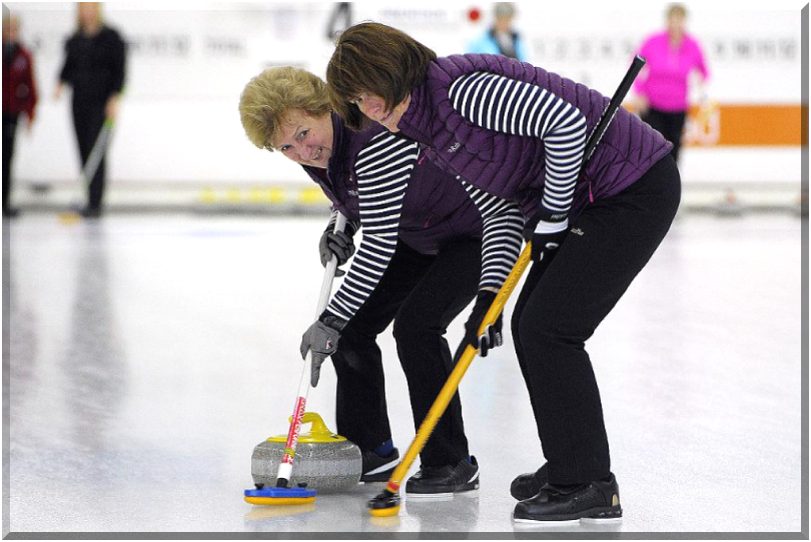
Grande Prairie will welcome athletes aged 55 and older from across Alberta. But the bigger story may be what these athletes can teach us about staying strong, active and independent as we age.
Back on top · first published Nov 4
The Games Are Coming — But There Is a Bigger Story
Grande Prairie has something to celebrate.
On November 4, the City announced that it will host the Alberta 55 Plus Provincial Winter Games in March 2028.
Athletes aged 55 and older will travel from communities across Alberta to participate, bringing opportunities for local businesses, volunteers and community organizations.
For Grande Prairie, it is another opportunity to demonstrate its ability to host provincial sporting events.
But perhaps the most important part of this announcement has little to do with medals.
It is about what happens to our bodies as we grow older — and what we can do about it.
These athletes remind us of something worth remembering:
Getting older does not mean we have to stop moving. In fact, moving becomes increasingly important as we age.
Sarcopenia: The Muscle Loss Many People Have Never Heard Of
There is a medical term that deserves more attention, particularly among people over 50.
It is called sarcopenia.
Sarcopenia refers to the age-related loss of muscle mass, strength and physical function.
It is one of the reasons some older adults gradually find everyday activities more difficult.
Climbing stairs becomes harder.
Getting out of a chair takes more effort.
Carrying groceries becomes a challenge.
Walking on icy sidewalks becomes more intimidating.
Eventually, activities that were once routine can begin to threaten a person's independence.
According to the U.S. National Institute on Aging, muscle strength and performance generally begin declining during adulthood, with the decline often accelerating later in life.
However, muscle loss is not simply a matter of reaching a certain birthday.
Physical inactivity, poor nutrition, illness and other factors can contribute.
And importantly, age-related muscle loss is not entirely beyond our control.
Use It or Lose It — There Is Real Science Behind the Saying
The human body adapts to what we ask it to do.
When we regularly challenge our muscles, they respond.
When we stop using them, they can become weaker.
That is why the familiar expression "use it or lose it" has particular relevance to muscle health.
The National Institute on Aging reports that resistance exercise, including strength training, can help older adults maintain and improve muscle strength and physical performance.
And strength training does not necessarily mean lifting heavy weights in a gym.
It can include:
- Standing up repeatedly from a chair.
- Using resistance bands.
- Lifting appropriately sized hand weights.
- Performing supported squats.
- Climbing stairs.
- Participating in supervised strength classes.
The important factor is providing muscles with a safe, progressive challenge.
For someone who has been inactive for years, the starting point might be surprisingly simple.
And that is perfectly acceptable.
It Is Not Just About Living Longer — It Is About Living Better
There is an important distinction between lifespan and what researchers often call healthspan.
Lifespan is how long we live.
Healthspan describes the years we spend in reasonably good health, able to participate in daily life.
Many older adults are less concerned about setting athletic records than maintaining the ability to do ordinary things.
They want to walk through the grocery store without assistance.
They want to shovel a little snow, tend a garden, play with grandchildren or continue living in their own homes.
They want to remain independent.
Maintaining muscle strength and balance can help support those goals.
Exercise is not a guarantee against illness, disability or injury. But research consistently associates regular physical activity with better physical function, improved health and a lower risk of falls.
The Three Types of Movement That Matter
Health authorities recommend that older adults include several different forms of physical activity.
1. Aerobic activity
Walking, swimming, cycling, dancing and similar activities help maintain cardiovascular fitness and endurance.
Canadian public health guidance recommends that adults aged 65 and older aim for at least 150 minutes of physical activity each week, including activity of moderate-to-vigorous intensity.
That might mean a brisk 30-minute walk on five days of the week.
But someone who is just starting can begin with much less.
2. Strength training
Muscle-strengthening activity is particularly important for maintaining the ability to perform everyday tasks.
The World Health Organization recommends strengthening major muscle groups at least twice weekly.
Strength training can be adapted for different abilities and fitness levels.
3. Balance and functional movement
Balance becomes especially important in places like Grande Prairie, where winter conditions can make walking hazardous.
Activities that challenge balance and coordination can help reduce fall risk.
Examples include appropriately supported balance exercises, tai chi and functional movements such as safely standing from a chair.
The World Health Organization recommends older adults perform activities emphasizing strength and functional balance on three or more days each week.
What About People Who Have Never Been Athletic?
This may be the most important message of all.
You do not need to have been an athlete at 25 to become more active at 65, 75 or even 85.
Exercise programs can be adapted for people with limited mobility, chronic conditions or years of inactivity.
Someone might begin by walking for five minutes.
Another person might start with chair-based exercises.
Others may enjoy swimming, curling, dancing, walking groups or recreational sports.
The objective is not necessarily competition.
It is improvement.
A person who can comfortably stand from a chair without using their arms may have achieved something every bit as meaningful to their daily life as an athlete winning a medal.
People with significant health conditions, recent falls or new symptoms should seek appropriate medical advice before beginning a more demanding exercise program.
Food Matters Too
Muscles need more than movement.
They also require adequate nutrition, including protein.
Protein supplies amino acids that the body uses to maintain and repair muscle tissue.
Older adults who do not eat enough, particularly those recovering from illness, may be more vulnerable to muscle loss.
Protein-rich foods include eggs, dairy products, fish, meat, beans, lentils and soy products.
There is no single protein target appropriate for everyone. Individual requirements depend on health, body size and other factors, and people with certain medical conditions may need tailored advice.
The broader lesson is that healthy aging involves both movement and nutrition.
Why This Matters in the Peace Country
Living in northern Alberta presents some particular challenges.
Winter weather can discourage outdoor walking for extended periods.
Icy sidewalks can increase the fear of falling.
Rural residents may have fewer nearby opportunities for organized recreation.
And people who retire from physically demanding jobs may suddenly find themselves moving much less than they did during their working years.
Someone who spent decades farming, working in the oilfield or operating equipment may discover that retirement has dramatically changed their daily activity.
This creates an important question for our communities.
Are we doing enough to help older residents remain active after retirement?
Affordable indoor walking opportunities, accessible fitness programs, seniors' recreation groups and transportation to activities can all make a difference.
The 2028 Winter Games could provide an opportunity to start a broader community conversation about these needs.
Could the Games Inspire a Local Movement?
Imagine if the excitement surrounding the Games encouraged more Peace Country residents to become active.
Not necessarily to compete.
Simply to move more.
A walking group in Sexsmith.
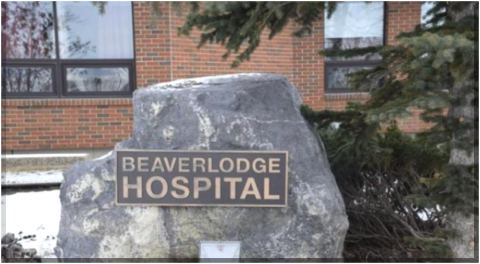
A beginner strength-training program in Beaverlodge.
An indoor winter walking initiative in Grande Prairie.
A seniors' recreation group in Clairmont.
Or neighbours encouraging one another to get out and participate.
These are possibilities, not announced Games programs.
But they illustrate how a sporting event might leave a community benefit beyond the competition itself.
The question is whether local organizations, recreation providers and residents will use the opportunity.
What Do We Know About the 2028 Games?
The City has confirmed that Grande Prairie will host the Alberta 55 Plus Provincial Winter Games in March 2028.
The event is expected to attract older athletes from across the province and create opportunities for volunteers, local businesses and community participation.
However, several important details remain to be announced or independently confirmed:
- Exact competition dates.
- Sports and age categories.
- Expected athlete and visitor numbers.
- Competition venues.
- Municipal funding and hosting costs.
- Volunteer recruitment and organizing arrangements.
These details will help residents understand both the sporting opportunities and the financial implications of hosting the event.
The Story Isn't Over
Swan City Now will follow preparations for the 2028 Alberta 55 Plus Provincial Winter Games, including the organizing committee, confirmed venues, public spending and volunteer opportunities.
We will also look at a related question:
How accessible are fitness and recreational opportunities for older adults throughout Grande Prairie and the Peace Country?
Are affordable programs available?
Can residents with limited mobility participate?
Are rural seniors being served?
And could hosting the Games encourage lasting improvements in local opportunities for healthy aging?
Those questions deserve attention long before the first medal is awarded.
Swan City Speaks: What Do You Think?
-
If you are over 55, what activities help you stay physically active? Have you found it harder or easier to stay active as you age?
-
Does Grande Prairie and the surrounding Peace Country offer enough affordable fitness and recreation opportunities for seniors?
-
Should the 2028 Winter Games be used to encourage more local residents to participate in walking, strength training and recreational sports?
Share your thoughts in the comments. Your opinion matters.
Swan City Now — Because the story doesn't end with the headline.
Sources and Further Reading
-
City of Grande Prairie — November 4, 2026 announcement concerning the 2028 Alberta 55 Plus Provincial Winter Games.
-
National Institute on Aging — How Can Strength Training Build Healthier Bodies as We Age?
-
National Institute on Aging — Health Benefits of Exercise and Physical Activity
-
Public Health Agency of Canada — Being Physically Active for Your Health