Cedar Point: Could Funding Changes Put Grande Prairie Residents' Housing at Risk?
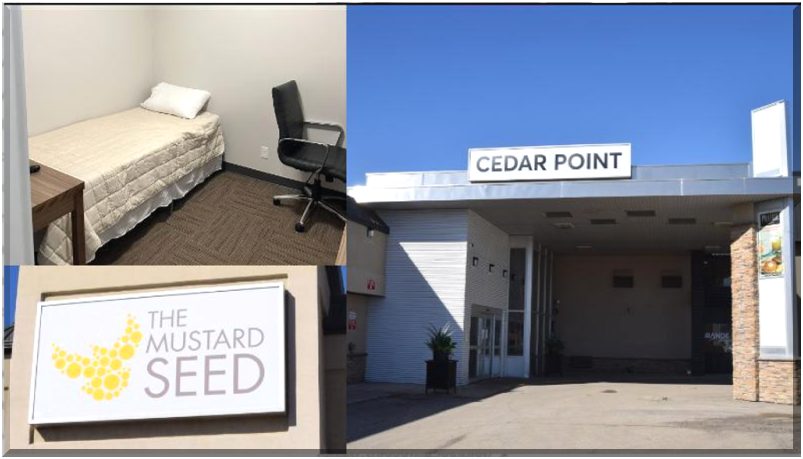
The City owns the 105-unit housing facility, while The Mustard Seed provides housing services. With funding arrangements having changed in the past, important questions remain about the security of residents' homes, the future of the facility and who is responsible when operating funds become uncertain.
**
By Swan City Now | Homes & Public Safety Desks | November 1, 2026
What happens when a municipality owns a building intended to provide permanent housing, but the organization operating it faces funding uncertainty?
Does the City step in? Does another organization take over? Or could the people living there face the possibility of having to move?
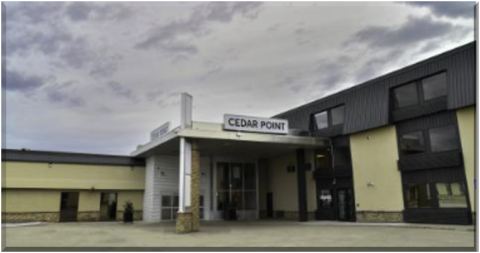
These are important questions surrounding Cedar Point, a supportive and affordable housing facility in Grande Prairie.
Official City documents confirm that Cedar Point is municipally owned, operates in partnership with The Mustard Seed and has experienced changes to its funding arrangements.
What those documents do not establish is whether current funding has been cancelled, whether residents have received relocation notices or whether any changes to the facility's operations are planned.
Swan City Now has not independently confirmed any current requirement for Cedar Point residents to leave their homes.
But the available information raises a broader issue worth examining: How secure is permanent housing when its continued operation depends on government funding and service agreements?
What Is Cedar Point?
Cedar Point is located at 12102 100 Street in Grande Prairie.
The City purchased the property in 2021 as part of its efforts to address homelessness and expand supportive housing opportunities.
According to municipal information, the facility contains:
- 63 permanent supportive housing units for residents who require additional assistance to maintain stable accommodation.
- 42 independent affordable housing units for eligible residents.
Together, these represent 105 housing units.
The Mustard Seed, a Canadian charitable organization, provides housing and support services through its partnership with the City.
Cedar Point is therefore more than a building.
It represents a substantial municipal investment in housing stability, homelessness prevention and community services.
And because it is publicly owned, residents and taxpayers have a legitimate interest in understanding how it is funded and operated.
Who Owns Cedar Point, and Who Pays to Operate It?
The distinction between owning a building and operating its housing programs is important.
The City of Grande Prairie owns Cedar Point.
The Mustard Seed provides services under an operating arrangement.
Funding may involve government contributions, contractual payments, rental revenue and other sources, depending on the particular program.
The City's published housing information identifies changes to provincial funding arrangements beginning October 1, 2025.
Its 2026 budget also references adjustments involving housing-related grant revenue and contractual obligations.
These records establish that the financial arrangements supporting municipal housing have changed.
They do not establish that Cedar Point is closing or that residents are currently being required to relocate.
That distinction matters.
A change in funding is not necessarily the same thing as a loss of housing.
But it raises a reasonable question: What safeguards exist when a funding agreement changes or ends?
If the City Owns the Building, Who Protects the Residents?
Consider the situation from a resident's perspective.
You have found a place to live, signed the applicable agreement, established routines and perhaps begun rebuilding your life after experiencing housing instability.
Then you hear that funding arrangements may be changing.
What does that mean for your home?
Does the existing service provider continue operating? Could the City arrange replacement funding? Could another organization take over the program?
These possibilities depend on contractual, financial and legal considerations.
They should not be assumed to be available without confirmation.
However, they are reasonable questions for a publicly owned housing facility.
If the City owns Cedar Point, should it also have a contingency plan to ensure residents are not unnecessarily displaced when an operating agreement or funding source changes?
Permanent Supportive Housing Is Different From Emergency Shelter
One important aspect of Cedar Point is its intended purpose.
The facility provides permanent supportive housing and independent affordable accommodation.
It is not simply an overnight emergency shelter.
Permanent supportive housing is designed to combine accommodation with services that help residents maintain stability.
Those services may address challenges involving health, employment, daily living or other individual needs.
Stable housing can help residents establish routines, access services and develop stronger connections within their community.
For people who have experienced homelessness, maintaining that stability can be particularly important.
An unexpected move may involve far more than finding another apartment.
Residents could face additional costs, transportation difficulties, interruptions to support services or challenges finding accommodation that meets their needs.
That is why continuity of housing deserves attention whenever funding or operational arrangements are reviewed.
What Rights Do Residents Have?
Not all Cedar Point residents necessarily occupy their homes under the same legal arrangements.
The City distinguishes between independent affordable housing and permanent supportive housing.
Independent rental accommodation may fall under Alberta's Residential Tenancies Act.
Supportive housing may involve different occupancy agreements, services and regulatory requirements.
As a result, the rights and procedures applying to any proposed relocation would depend on the specific circumstances.
A change in an operating grant does not automatically establish that residents can legally be required to leave.
Before any conclusions can be reached, several questions need answers:
- Are any residents currently facing changes to their housing arrangements?
- Have written notices been issued?
- Which units or housing programs would be affected?
- What legal agreements govern those residents' occupancy?
- What assistance would be available if relocation became necessary?
These are matters that require direct confirmation from the City, The Mustard Seed or affected residents.
What Is the Financial Risk to Taxpayers?
Cedar Point is also a municipal asset.
Grande Prairie taxpayers have an interest in ensuring that public investments continue delivering the services for which they were intended.
That makes the facility's financial arrangements an appropriate subject for public discussion.
How much does Cedar Point cost to operate annually?
How much of that cost is covered by provincial grants, municipal funding, rental revenue and charitable contributions?
What financial responsibilities does the City retain under its agreement with The Mustard Seed?
And if a major funding source were reduced or eliminated, who would be responsible for maintaining operations?
These questions are especially relevant as municipalities face competing demands for housing, policing, roads, recreation and other services.
The purpose is not to suggest that any organization has acted improperly.
It is to understand how public money is being used and whether the financial arrangements provide sufficient long-term stability.
Could Another Organization Operate Cedar Point?
Because the City owns the building, one question worth exploring is whether a different service provider could operate it if the existing arrangement changed.
In principle, municipalities can enter into service agreements with different organizations.
But whether that is practical at Cedar Point would depend on existing contracts, program requirements, funding availability, staffing and the needs of residents.
Changing operators may also create disruption, particularly where residents depend on established relationships with support workers.
Any proposed transition would need careful planning.
That leads to another question:
Should publicly owned supportive housing facilities have a documented transition plan before an operating contract or major grant expires?
Such a plan could help clarify responsibilities and reduce uncertainty for residents, service providers and taxpayers.
What About Grande Prairie's Broader Housing Needs?
Cedar Point is part of a much larger discussion about affordable housing and homelessness in Grande Prairie.
The community needs different forms of accommodation.
Some residents require short-term emergency shelter.
Others need affordable rental housing.
Some require permanent supportive housing with access to ongoing services.
These are related needs, but they are not interchangeable.
A person who needs supportive housing may not be adequately served by an ordinary rental apartment without appropriate assistance.
Likewise, emergency shelter is not a substitute for permanent accommodation.
That makes the long-term stability of facilities such as Cedar Point particularly important.
If Grande Prairie wants to reduce homelessness and help residents maintain stable housing, the funding and management of those programs deserve sustained public attention.
Five Questions the City and The Mustard Seed Should Answer
Swan City Now believes residents would benefit from clear answers to the following questions.
1. Is Cedar Point's current funding secure?
Have any grants or operating agreements been reduced, cancelled or allowed to expire during 2026?
2. Are any residents facing relocation?
Have notices been issued or changes proposed that could affect residents' ability to remain in their homes?
3. What is the City's financial responsibility?
How much does the municipality contribute to Cedar Point's operation, and what happens if another funding source becomes unavailable?
4. Is there a contingency plan?
Could housing and support services continue if the current operating arrangement changed?
5. What is the long-term future of Cedar Point?
Does the City intend to maintain all 105 units for permanent supportive and affordable housing?
Clear answers would help residents understand their circumstances and give taxpayers a better picture of how the facility is managed.
A Bigger Question: What Does Permanent Housing Really Mean?
The word permanent creates an expectation of stability.
It does not mean that funding arrangements, service providers or individual tenancy circumstances can never change.
But it does suggest that housing programs should be designed with continuity in mind.
When a community invests in permanent housing, residents reasonably expect more than a temporary solution dependent on one short-term agreement.
And taxpayers reasonably expect the investment to continue serving its intended purpose.
Cedar Point offers an opportunity to examine how those expectations are protected.
The question is not simply who owns the building or who operates it. It is whether the overall system is designed to keep people safely housed when circumstances change.
What Happens Next?
Swan City Now is seeking clarification about Cedar Point's current funding, operating arrangements and the security of residents' accommodation.
At this stage, the available official documents do not establish that the facility is closing or that residents have been ordered to leave.
If funding changes or relocation plans are confirmed, those developments deserve to be reported accurately and promptly.
If no such changes are occurring, that deserves to be made clear as well.
For now, the broader questions about financial stability, public accountability and protection of residents remain worth asking.
Swan City Speaks: What Do You Think?
- If the City owns Cedar Point, should it be responsible for ensuring residents can remain housed when operating funding changes?
- Should publicly owned supportive housing facilities be required to have backup operating plans?
- How much financial information should taxpayers receive about municipal housing programs?
- Would Grande Prairie benefit from more permanent supportive housing, more affordable rental housing or both?
- What responsibilities should the provincial government, municipal government and charitable organizations each carry?
What Have We Missed?
Are you a Cedar Point resident, family member, housing worker or someone familiar with the facility's operations?
Do you have firsthand information about funding arrangements, resident communications or changes to services?
We welcome factual information, corrections and different perspectives.
Please respect residents' privacy and avoid publishing personal housing or medical details without their permission.
Join the conversation: https://swancitynow.com/join
We're neighbours. We don't all have to agree, but we can all benefit from asking better questions.
Sources
City of Grande Prairie — Cedar Point Housing
https://cityofgp.com/cedarpoint
City of Grande Prairie — 2026 Budget Report
City of Grande Prairie — Housing and Homelessness Update
https://pub-cityofgp.escribemeetings.com/filestream.ashx?DocumentId=42912
The Mustard Seed — Grande Prairie
https://theseed.ca/grandeprairie
Editor's note: This article examines Cedar Point's documented ownership, housing purpose and previously reported funding arrangements. Swan City Now has not independently confirmed any current closure, funding cancellation or requirement for residents to relocate. Questions about possible changes should not be interpreted as evidence that such changes have occurred.