Forgotten, Not Gone: The Headlines Faded. The Questions Remain.
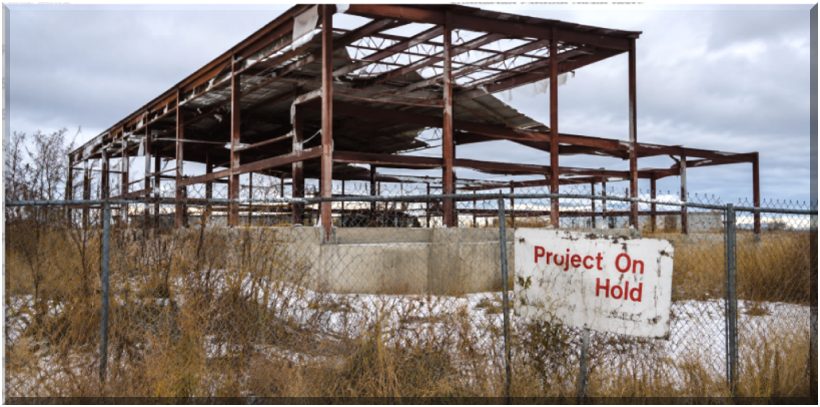
The News Moves On. The Problem Often Doesn't.
A highway is announced. A hospital improvement is promised. A public project is proposed. A community raises concerns about a decision that could affect residents for years.
The story makes the news. People talk about it. Questions are asked.
Then another headline takes its place.
Days become months. Sometimes months become years.
But did the problem actually go away?
That question is at the heart of a new Wednesday news series called Forgotten, Not Gone.
The headlines faded. The questions remain.
The purpose is straightforward: revisit stories that once mattered to the Peace Country and establish what happened after the public attention moved elsewhere.
Highway 40X Helped Inspire the Series
The starting point was a recent article examining the proposed Highway 40X bypass southwest of Grande Prairie.
Highway 40X — Planned for Years, Still Waiting revisited a transportation project with a planning history stretching back more than a decade.
The Province's published project information anticipated construction beginning in 2026. Yet, as reported on November 8, Alberta's Major Projects website continued to identify the project as being in the planning stage.
That did not establish that construction had been formally cancelled or delayed. It left important questions about construction funding, scheduling and the project's current status.
The County of Grande Prairie has identified construction funding for Highway 40X as an advocacy priority, while the City has also supported the proposed connection.
The publisher reports that the article received an excellent response from readers. No specific readership or engagement figures are being presented.
The interest illustrates why older public issues can still generate discussion.
The original announcement may be old news. The consequences of an unfinished project may not be.
What Does Forgotten, Not Gone Mean?
Every Wednesday, when a worthwhile subject is available, the series will examine a story that has largely disappeared from the regular news cycle.
Some may be five years old. Others may date back ten or twenty years.
The age of the story is not what makes it important.
What matters is whether the original issue still affects residents, businesses, communities or public services.
A forgotten story might involve a road that was never completed, an infrastructure proposal that stalled, a public facility whose future remained uncertain or a government commitment whose outcome was never clearly explained.
It might also involve a project that was eventually completed successfully but received little attention when the work was finished.
The series is not based on the assumption that every unresolved issue involves wrongdoing, neglect or broken promises.
Plans change. Funding priorities shift. New information emerges. Some proposals are abandoned for legitimate reasons.
Those explanations matter too.
Three Questions Every Story Should Answer
Then: What happened?
What was originally announced, approved, proposed or promised? Who made the decision, and when? What was the public told to expect?
Now: Where does it stand?
Was the project completed, delayed, changed, cancelled or left unresolved? What do current public records establish?
Still unanswered: What does the public need to know?
Are important details missing? Has a timetable changed? Have costs increased? Who is affected, and what decisions remain?
Where nothing meaningful has changed, that should be stated plainly.
And where an old problem has been successfully resolved, the public deserves to know that as well.
Why This Matters to the Peace Country
The modern news cycle rewards what is new.
But public accountability often depends on remembering what happened before.
Residents may remember an announcement that newer neighbours have never heard about. A road proposal might affect landowners years after the original consultation. A municipal decision could create expenses long after the council meeting where it was approved.
The consequences of public decisions do not necessarily end when news coverage stops.
Revisiting those decisions can provide useful historical context and help residents understand how their communities reached the situation they face today.
It can also distinguish a genuine failure to deliver from a reasonable change in plans.
Both deserve accurate reporting.
Your Memory Could Be the Beginning of a Story
Some of the most important overlooked issues may be remembered by residents rather than found in today's headlines.
Perhaps you remember a project that was announced but never built.
Perhaps your community was promised a service improvement, and you have wondered what became of it.
Perhaps an issue was resolved years ago, but nobody explained how.
Or perhaps a decision made long ago is still affecting your neighbourhood, farm, business or family.
These are all potential subjects for Forgotten, Not Gone.
You do not need to have every document or answer before raising a question.
A useful starting point can be as simple as remembering what happened, approximately when it happened and why it still matters.
Residents can share their recollections, questions and information through The Local Wire.
Historical recollections and reader submissions are starting points, not automatically verified facts. Published reporting must distinguish documented evidence, unanswered questions and interpretation.
Swan City Speaks: What Story Has Been Forgotten?
- What important Peace Country issue has disappeared from the headlines without a clear resolution?
- Do you remember a public promise, project or decision from years ago that still affects your community?
- Have you seen an old problem successfully solved without much public recognition?
- What information would help residents understand what actually happened?
Share your thoughts in the comments or through The Local Wire.
The first step toward understanding an old issue is often a neighbour remembering to ask about it.
Forgotten, Not Gone.
The headlines faded. The questions remain.