Grande Prairie Council Says No to Taller Hotel, Yes to Wastewater Rezoning — What Happens Next?
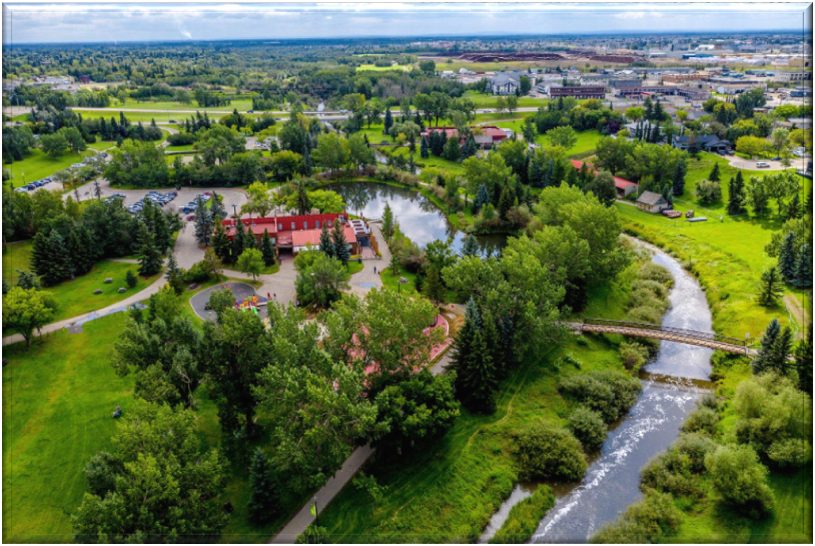
Two public hearings, two different decisions. Council rejects a six-storey hotel height increase while approving the rezoning of 1.5 hectares of Muskoseepi Park-designated land for wastewater infrastructure.
Back on top · first published Nov 3
Two Public Hearings, Two Different Outcomes
When Swan City Now first reported on two important public hearings scheduled for November 2, residents were invited to pay attention to decisions that could influence future development in Grande Prairie.
Those hearings have now taken place, and City Council has made its decisions.
One proposal would have permitted a taller hotel. The other would change the zoning of land designated as Muskoseepi Park to accommodate wastewater infrastructure.
Council rejected the hotel height amendment but approved the wastewater rezoning.
While these might appear to be routine municipal planning decisions, both raise larger questions about how Grande Prairie grows, how public land is used and how development priorities are determined.
Six-Storey Hotel Proposal Rejected
Council defeated Land Use Bylaw Amendment C-1260-216 at second reading.
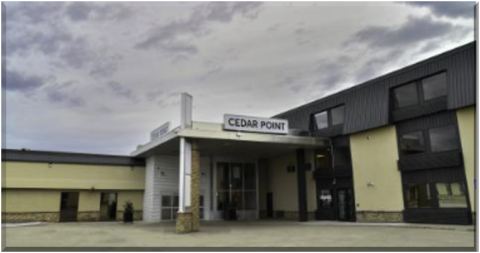
The amendment would have increased the maximum permitted hotel building height within Direct Control District 12 (DC-12) from four storeys to six.
The City's original public notice identified the subject property as Lot 2, Block 4, Plan 1722018.
Importantly, the application was not seeking to introduce hotels into an area where they were prohibited. Hotels were already an allowed use.
Instead, the developer was seeking permission to build higher than the existing four-storey limit.
The proposal was a text amendment to the land-use regulations, with no other district regulation changes proposed.
What does the rejection mean?
The existing four-storey height limit remains in place.
It does not necessarily mean that a hotel cannot be developed on the property. A hotel that complies with existing land-use requirements may still be possible, subject to the necessary approvals.
Nor does the decision establish that the proposed hotel development has been permanently abandoned.
The applicant could potentially revise the proposal or pursue another application through the appropriate municipal process.
Why Did Council Reject the Height Increase?
This is where the story deserves further investigation.
The City's published November 2 meeting highlights confirm the amendment was defeated but do not explain each councillor's reasoning.
Possible planning considerations in hotel-height decisions include:
- Traffic entering and leaving the development.
- Road access and future transportation planning.
- Parking requirements.
- Compatibility with surrounding development.
- Building height and neighbourhood character.
- The economic benefits of additional hotel accommodation.
These are general considerations, not confirmed reasons for Council's decision.
Swan City Now has not established which concerns, if any, were decisive in the November 2 vote.
Residents deserve to know why Council considered four storeys acceptable but rejected six.
Was the decision primarily about transportation, land-use compatibility or another concern?
That question is particularly relevant because Council also directed Administration to prepare a report for the appropriate Standing Committee outlining future access within the Stoneridge Outline Plan.
The City has not yet established in its published highlights precisely how that future access report relates to the defeated hotel amendment.
Wastewater Lift Station Rezoning Approved
Council took a different approach to the second public hearing.
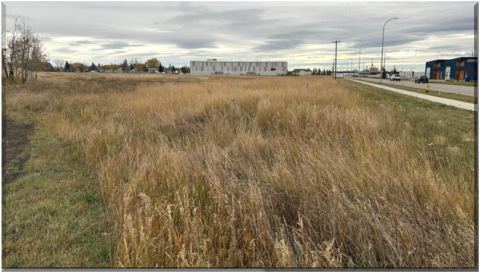
Land Use Bylaw Amendment C-1260-217 was approved, rezoning approximately 1.50 hectares from Muskoseepi Park (MP) to Direct Control District 43 (DC-43).
That is approximately 3.7 acres.
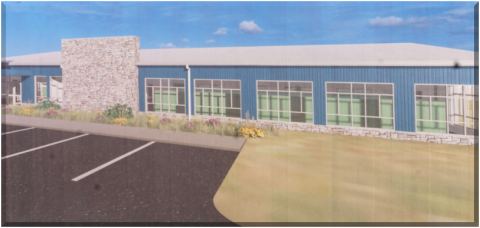
The new designation is intended to accommodate a wastewater lift station supporting the City's wastewater collection system.
According to the City's original public notice, the proposed facility would provide bypass capability during maintenance or repair work at the wastewater treatment plant.
In simpler terms, the facility is intended to help wastewater continue moving through the system when certain equipment or treatment infrastructure requires maintenance.
Such infrastructure can play an important role in maintaining reliable municipal services.
However, approving the rezoning is not the same as confirming that construction has started or that every project approval is complete.
The City's announcement confirms the land-use decision. It does not provide a final construction schedule or project budget.
What Happens to the Parkland?
One important detail deserves attention.
The 1.50 hectares were previously designated Muskoseepi Park under the City's Land Use Bylaw.
The Muskoseepi Park designation is intended to preserve natural areas and parkland for environmental protection and recreational use.
Council's approval changes the land-use designation of the affected area, not Muskoseepi Park as a whole.
That distinction matters.
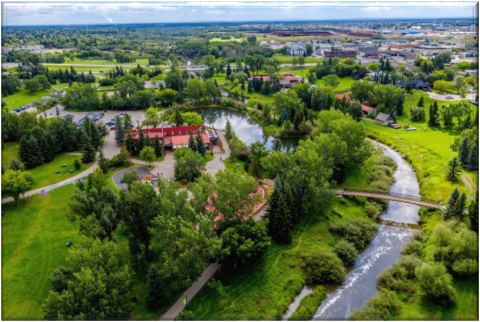
Grande Prairie residents value Muskoseepi Park for its trails, green space, wildlife and recreational opportunities.
At the same time, growing communities require wastewater infrastructure to serve homes, businesses and future development.
The question is not simply whether wastewater infrastructure is necessary.
It is whether the selected location represents the best balance between essential municipal services and protecting designated parkland.
Questions worth asking include:
- Why was this particular 1.50-hectare site selected?
- Were alternative locations considered?
- Will construction affect trails, vegetation, drainage or wildlife habitat?
- Will there be landscaping or environmental restoration requirements?
- What protections will apply to the surrounding parkland?
The City's published meeting highlights do not provide detailed answers to these questions.
How Much Will the Wastewater Project Cost?
Council's November 2 highlights confirm the rezoning but do not establish the total cost of constructing the proposed lift station.
That leaves several financial questions unanswered.
What is the estimated construction cost?
Will the project be financed through existing utility budgets, borrowing, reserves, grants or another source?
Could the project affect future wastewater utility rates?
And what is the expected long-term maintenance cost?
These questions matter because municipal infrastructure is ultimately supported through public funding and utility revenues.
A wastewater lift station may be a necessary investment, but residents should still be able to understand its cost, financing and expected benefits.
What Happens Next?
For the hotel proposal, the immediate result is straightforward.
The requested six-storey height increase was rejected.
Any future proposal will need to comply with applicable regulations or proceed through another approval process.
Council has also requested further information on access within the Stoneridge Outline Plan.
For the wastewater project, the land-use rezoning has been approved.
The next developments to watch include any remaining project approvals, the construction budget, environmental considerations and the proposed construction timeline.
Swan City Now will continue following both matters as additional information becomes available.
Two Decisions That Raise a Bigger Question
Municipal councils regularly make decisions that involve balancing competing priorities.
Economic development must be weighed against planning requirements.
Infrastructure needs must be considered alongside environmental protection and public land use.
In this case, Council declined to relax a height restriction for a private hotel proposal while approving a change to parkland zoning for municipal infrastructure.
The two applications have different purposes and should not automatically be judged by identical standards.
Still, both decisions affect how Grande Prairie develops.
And both deserve explanations that residents can understand.
Swan City Speaks: What Do You Think?
1. Hotel development: Should Grande Prairie be more flexible about allowing taller hotels and commercial buildings, or are existing height restrictions important for orderly development?
2. Parkland and infrastructure: Is rezoning a small portion of Muskoseepi Park-designated land acceptable when it supports essential wastewater services, or should alternative locations be required first?
3. Council accountability: When Council rejects a development proposal or approves a change to public parkland, should residents receive a clearer explanation of the reasons, costs and alternatives considered?
Share your thoughts in the comments. Your opinion matters.
Sources
City of Grande Prairie — November 2, 2026 Council Highlights
City of Grande Prairie — Hotel Height Amendment, PL260385
City of Grande Prairie — Wastewater Lift Station Rezoning, PL260384
Editor's note: This article follows Swan City Now's earlier coverage of the two November 2 public hearings. The decisions are confirmed by the City's published meeting highlights. Project costs, construction timelines and detailed reasons for the hotel vote remain subjects for further reporting.