Eighteen Trucks Taken Off the Road Near Grande Prairie — What Happened Next?
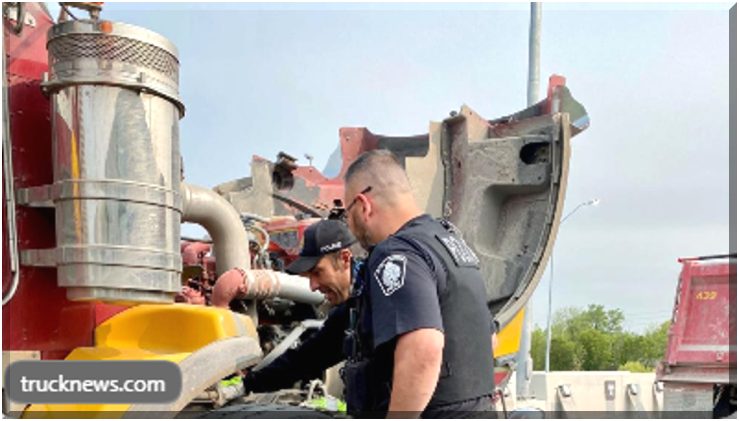
A joint commercial-vehicle inspection operation near Grande Prairie Airport found safety and regulatory violations in August, resulting in 18 of 23 inspected vehicles being placed out of service. The results raise questions about truck maintenance, enforcement and highway safety across the Peace Country. But the most important follow-up remains unanswered: were the deficiencies corrected, and are subsequent inspections showing improvement?
Eighteen Vehicles in Six Hours
For approximately six hours on August 21, commercial vehicles travelling through Grande Prairie were directed into a joint inspection operation south of the airport.
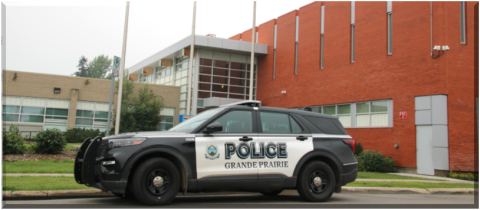
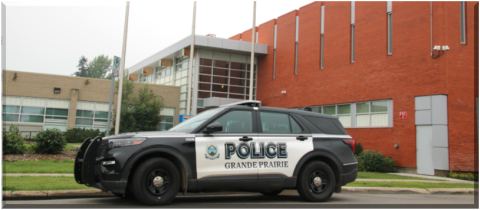
The Grande Prairie Police Service, Grande Prairie Enforcement Services and Alberta Sheriff Highway Patrol were participating in their first coordinated commercial-vehicle enforcement operation.
When the inspections were completed, the results were significant.
Of the 23 vehicles inspected, 18 were placed out of service until identified deficiencies could be corrected.
That represents approximately 78 per cent of the vehicles inspected.
Officers also identified 45 violations involving vehicle safety or regulatory compliance and issued 12 provincial violation tickets.
The results were released publicly by GPPS on September 2.
But more than two months after the inspection, an important question remains: what happened to those vehicles after they were removed from service?
What Does Out of Service Actually Mean?
An out-of-service order is more serious than a warning about routine maintenance.
Under Alberta's commercial-vehicle safety rules, inspectors can prohibit a vehicle or driver from operating when defects or violations meet established out-of-service criteria.
These can include serious problems involving braking systems, tires, steering, cargo securement or other safety requirements.
A vehicle subject to an out-of-service order must have the required deficiencies corrected before returning to operation.
That does not necessarily mean the vehicle has been permanently removed from the highway.
Some deficiencies can be corrected relatively quickly. Others may require substantial mechanical work.
The original Grande Prairie police release did not identify the individual defects found on each of the 18 vehicles.
Without that breakdown, it is impossible to determine how many involved relatively straightforward repairs and how many presented more extensive mechanical or operational problems.
The difference matters when evaluating the level of risk discovered during the operation.
A Fuel Truck and an Alcohol-Related Sanction
One finding was particularly concerning.
According to GPPS, a driver operating a fully loaded commercial vehicle carrying fuel products received an Immediate Roadside Sanction after failing to comply with Alberta's zero-tolerance alcohol requirements for commercial drivers.
The vehicle had a gross weight of approximately 63,500 kilograms.
That is 63.5 metric tonnes.
The police release did not provide a measured blood-alcohol concentration or report that the driver caused a collision.
Nevertheless, Alberta's zero-tolerance requirements recognize the additional responsibilities associated with operating commercial vehicles.
A large, loaded vehicle requires considerable stopping distance, and its weight and cargo can increase the consequences of a collision.
When that cargo includes fuel products, emergency response and environmental concerns can become additional considerations.
The incident demonstrates why commercial-vehicle enforcement examines drivers as well as mechanical condition.
Why Commercial Truck Safety Matters in the Peace Country
Grande Prairie is a transportation centre for northern Alberta.
Highways 43 and 40 carry commercial traffic serving the oil and gas industry, agriculture, forestry, construction, retail businesses and communities farther north.
Heavy trucks are essential to the regional economy.
They transport equipment, fuel, building materials, agricultural products and everyday consumer goods.
But large commercial vehicles also share the road with school buses, commuters, families and other motorists.
A mechanical failure that might be manageable in a passenger vehicle can have more serious consequences when it involves a heavily loaded commercial truck.
Brake performance, tire condition, steering components, driver fatigue and properly secured loads are all important parts of commercial transportation safety.
The challenge is maintaining safe operations without overlooking the economic importance of commercial trucking.
That requires effective inspections, responsible operators and clear enforcement standards.
Is Grande Prairie Different From the Rest of Alberta?
The 78 per cent out-of-service result is striking, but it should not be interpreted as meaning that 78 per cent of all trucks travelling through Grande Prairie are unsafe.
Only 23 vehicles were inspected during this particular operation.
Enforcement operations may select vehicles based on visible defects, inspection priorities or other factors. The GPPS release does not establish that these 23 vehicles were a random sample of regional commercial traffic.
Other Alberta operations have also identified significant problems.
During a September 23–25, 2026, joint inspection operation in Strathcona County, enforcement officers completed 192 inspections and placed 77 commercial vehicles out of service.
That represents approximately 40 per cent.
A separate Calgary inspection operation in September examined 197 commercial vehicles and removed 100 from service because of serious safety defects — approximately 51 per cent.
These results show that commercial-vehicle deficiencies are not unique to Grande Prairie.
However, differences in vehicle selection, inspection methods, operating conditions and sample sizes mean the percentages cannot establish which region has safer commercial vehicles.
What they do demonstrate is the value of gathering consistent inspection results over time.
What Happens After a Truck Fails Inspection?
Alberta's commercial-vehicle safety system places responsibility on carriers and operators to maintain vehicles in safe operating condition.
Commercial vehicles covered by the province's inspection requirements must undergo periodic inspections at licensed facilities.
Drivers and carriers also have responsibilities involving trip inspections, maintenance records and the correction of defects.
When an enforcement officer places a vehicle out of service, the identified safety problems must be corrected before it can legally resume operation.
But there is a difference between requiring a repair and publicly documenting that it occurred.
The August 21 GPPS release does not say:
- How many of the 18 vehicles were repaired at or near the inspection location.
- How many required towing or more extensive repairs.
- Whether any carriers were subject to additional safety reviews.
- Whether repeat violations were identified.
- Whether the same vehicles or operators were inspected again.
These are unanswered questions, not evidence that operators failed to comply with the orders.
Are Subsequent Inspections Showing Improvement?
The August operation was described by GPPS as the first coordinated commercial-vehicle enforcement initiative involving the participating agencies.
Police indicated that its results could lead to additional joint operations.
However, no verified results from a subsequent comparable Grande Prairie commercial-vehicle inspection operation were located for this article as of November 9.
That means there is not enough published evidence to determine whether compliance has improved, deteriorated or remained unchanged.
A single enforcement operation provides a snapshot.
A series of comparable inspections could help establish whether mechanical deficiencies are becoming less common, which problems occur most frequently and whether additional enforcement or industry education is producing results.
Such information could also help distinguish occasional maintenance failures from recurring compliance problems.
Safety and the Cost of Doing Business
Commercial trucking is an essential part of the Peace Country economy, but maintaining large vehicles is expensive.
Tires, brakes, inspections, repairs and downtime all represent operating costs.
A truck that cannot operate may mean delayed deliveries, missed contracts and lost revenue.
Those costs create an incentive for preventative maintenance, but financial pressures can also make timely repairs difficult for some operators.
The August inspection results do not establish why the identified violations occurred.
There is no evidence in the GPPS release that the violations resulted from deliberate cost-cutting, inadequate training or particular business practices.
Determining the causes would require more detailed inspection records and information from the transportation industry.
Responsible operators also have an interest in effective enforcement.
Vehicles operating with serious deficiencies can endanger other drivers and create unfair competition for carriers that invest in proper maintenance.
The Questions That Still Need Answers
The August operation identified immediate safety concerns and resulted in enforcement action.
The remaining issue is whether those actions produced measurable improvements.
Several questions would help establish that:
- Were all 18 out-of-service vehicles documented as having completed their required repairs?
- What were the most common defects identified during the operation?
- How many violations involved brakes, tires, steering, cargo securement or driver qualifications?
- Have additional joint commercial-vehicle inspections been conducted around Grande Prairie since August?
- Are the same carriers repeatedly failing inspections?
- How do Peace Country commercial-vehicle inspection results compare with provincial results using equivalent inspection standards?
- What role could industry education and preventative maintenance play in reducing future violations?
Answers would provide a more complete picture of the region's commercial-vehicle safety performance.
Swan City Speaks
Commercial trucking keeps the Peace Country economy moving, but everyone who uses our highways has an interest in vehicle safety.
What do you think?
- Should commercial-vehicle inspection results be published regularly for the Grande Prairie region?
- Should enforcement agencies disclose the types of mechanical defects they find?
- Are there particular highways or intersections where heavy-truck safety concerns deserve more attention?
- If you work in trucking, what are the biggest challenges in maintaining vehicles and meeting inspection requirements?
Truck drivers, fleet owners, mechanics and other road users are invited to share their experiences and perspectives.
Sources
- Grande Prairie Police Service — Joint Commercial Vehicle Enforcement Operation, September 2, 2026
- Government of Alberta — Commercial Vehicle Inspection Program
- Government of Alberta — Commercial Driver Training and Safety Definitions
- Strathcona County — September 2026 Commercial Vehicle Inspection Results
- CityNews Calgary — September 2026 Commercial Vehicle Inspection Results