Wonder Valley: Fifteen Minutes for Questions — Is That Enough for the Peace Country?
Back on top · first published Nov 11
A Major Project Deserves More Than a Short Question Period
The Wonder Valley data centre proposal could become one of the largest industrial developments in the Peace Country's history.
Its potential effects on water resources, electricity generation, employment, local infrastructure and the environment could extend well beyond the boundaries of the proposed development.
That makes public engagement particularly important.
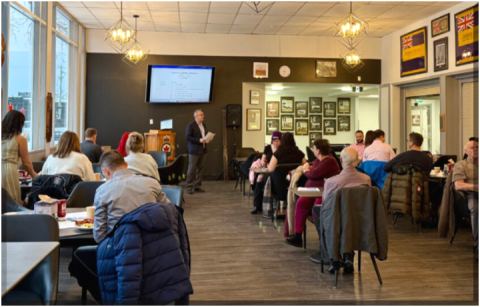
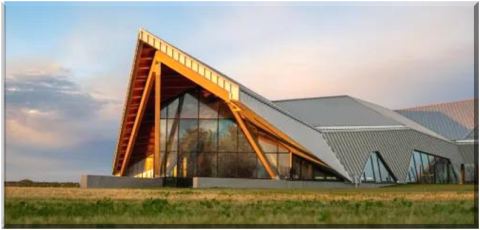
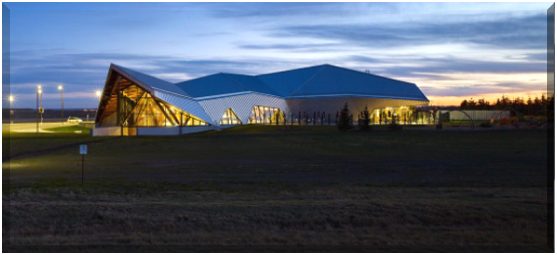
On Tuesday evening, November 10, residents had an opportunity to hear from Zach Parston, chief operating officer of O'Leary Digital, during a meeting hosted by the Wapiti Area Synergy Partnership at the Philip J. Currie Dinosaur Museum.
But an observation from the beginning of the presentation raises a question worth examining.
According to an account provided to Swan City Now, Parston advised those attending that he would have only about 15 minutes available for questions and answers because he needed to catch a flight out of town to be with family.
There is nothing inherently wrong with wanting to spend time with family. Most residents would understand that priority.
But should the schedule of a visiting speaker determine how much time a community receives to ask questions about a project that could affect it for generations?
Is Public Engagement Becoming More About Telling Than Listening?
The concern extends beyond one speaker or one meeting.
Residents have encountered similar frustrations with political presentations, including visits by representatives of Alberta's governing United Conservative Party, where the opportunity for public questioning has sometimes been perceived as limited.
That comparison deserves examination. The circumstances and question periods at individual political events have not been independently established for this article.
There is also a documented history of dissatisfaction with Wonder Valley's public engagement format.
At a June 2026 open house in Grovedale, some residents told CBC News they wanted more direct answers and a traditional town hall format where questions could be heard and answered in front of everyone.
Information booths can be useful. So can formal presentations.
But neither necessarily replaces the value of an open exchange where residents hear the same questions, the same answers and any commitments made.
The November 10 meeting was organized by a community-industry partnership, rather than being a statutory municipal public hearing. That distinction matters because the procedures and legal obligations are different.
Nevertheless, when a company voluntarily appears before residents to discuss a major project, reasonable expectations of meaningful dialogue remain.
If the purpose is to build public confidence, should answering questions be treated as an essential part of the event rather than whatever time remains afterward?
Wonder Valley Is Not an Ordinary Development
O'Leary Digital is advancing plans for a large artificial intelligence data centre development in the Greenview Industrial Gateway south of Grande Prairie.
The proposal involves substantial computing infrastructure and on-site electricity generation.
The company has promoted potential economic opportunities and has publicly committed to principles addressing water conservation, environmental responsibility, transparency and benefits for host communities.
Those commitments are relevant, but residents also need to understand how they will be delivered and verified.
Important questions include:
- Water: How much water will be required during construction and operation? What will be withdrawn, reused and returned?
- Electricity: How much natural gas will be consumed, and what emissions will result from generating power on site?
- Waste heat: How much heat will be released, where will it go and what assessment will determine potential local environmental effects?
- Employment: How many permanent jobs will be created locally, compared with temporary construction positions?
- Financing: Who is providing the investment, and what happens if the project's financial or commercial expectations are not met?
- Public costs: Who pays for roads, utilities, emergency response capacity and other infrastructure requirements?
- Long-term security: What protections would apply if the project were abandoned, significantly reduced or eventually closed?
These are not questions that can necessarily be resolved in a 15-minute session.
Some require detailed technical studies and regulatory decisions. Others require public commitments from the developer or municipal and provincial authorities.
The Project Is Already Facing Legal Challenges
The need for transparent answers is especially important because Wonder Valley is facing challenges involving Indigenous consultation and environmental decision-making.
Sturgeon Lake Cree Nation has brought judicial review proceedings concerning a water licence and provincial decisions relating to environmental assessment and consultation.
Those proceedings do not establish that the project or the challenged decisions are unlawful. The issues remain subject to the courts.
They do, however, demonstrate that concerns about the process extend beyond the format of public information meetings.
A company promoting a project of this scale has an opportunity to build confidence by explaining what has been approved, what remains under review and which questions cannot yet be answered.
That requires time, documentation and continuing engagement.
Should Communities Expect More From Visiting Speakers?
This is a larger issue than Wonder Valley.
Political leaders, cabinet ministers, developers and other decision-makers regularly visit communities to announce projects, explain policies and promote investments.
Their schedules can be demanding. Travel arrangements and personal responsibilities are legitimate considerations.
But residents also have responsibilities. They take time away from work, family and other commitments to attend public meetings.
They deserve to know whether the event is primarily a presentation or a genuine opportunity to ask questions.
If a visiting speaker cannot remain long enough to address substantial public concerns, there are alternatives.
Organizers could schedule a longer session, arrange a second meeting, provide a written question-and-answer process or commit to publishing answers to every unanswered question.
There is no requirement that every answer be available immediately.
There should, however, be a clear process for obtaining those answers.
The measure of a successful public meeting should not simply be how much information was presented. It should also be how much the community learned.
What Did Residents Actually Learn on November 10?
The meeting was publicly advertised as an opportunity to hear about Wonder Valley.
What has not yet been independently established is precisely what new information Parston provided, how many questions were asked, which were answered and whether the developer made any new commitments.
Several questions now deserve answers from O'Leary Digital and the meeting organizers:
- Was the approximately 15-minute question period planned in advance?
- How many residents wanted to ask questions but did not have an opportunity?
- Were any questions left unanswered, and will written responses be provided?
- Did the presentation disclose new information about water, electricity, environmental studies, financing or project timelines?
- Will O'Leary Digital commit to another public session with sufficient time for open questions?
The company and organizers should have an opportunity to respond, including explaining the scheduling constraints and any arrangements for continued engagement.
The Story Isn't Over
Wonder Valley's economic promise is substantial, but so are the questions surrounding its development.
We will also seek accounts from people who attended the November 10 meeting, including those who support the project, oppose it or remain undecided.
The objective is not to oppose development or criticize a speaker for having family commitments.
It is to establish whether the people who may live with the consequences of a major development have been given a reasonable opportunity to understand and question it.
Swan City Speaks
Should Grande Prairie and Peace Country residents continue accepting public presentations that leave only a short period for questions?
Would you prefer fewer presentations and more open discussion?
Should visiting politicians and developers be expected to remain until reasonable public questions have been addressed, or provide a guaranteed follow-up process?
And perhaps the most important question:
If visiting decision-makers cannot make enough time to hear from the community, should the community continue making time to hear from them?
Were you at the November 10 Wonder Valley presentation? Tell Swan City Now what you learned, what questions were answered and what remains unanswered.
Independent, local-only news. The community tells us what's happening. We find out why it matters.
Swan City Now — Because the story doesn't end with the headline.